

Different Kinds of Tea
 Your Cup of Tea
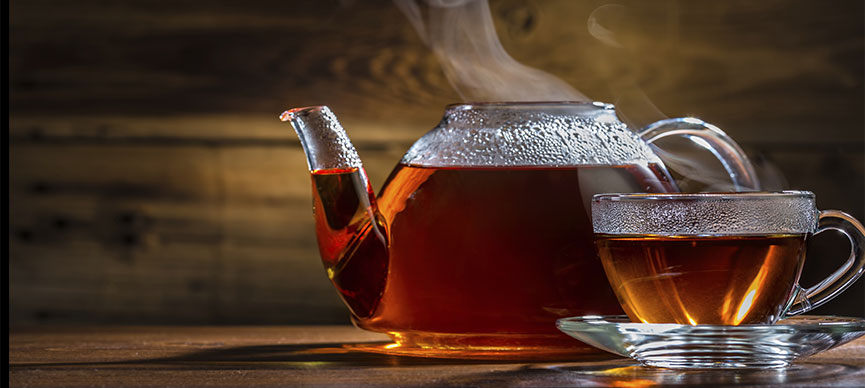
The different kinds of teas can be confusing, but most often we go by what we like and how it tastes. Tea contains antioxidants and polyphenols that help our bodies protect against inflammation which can lead to many diseases. What are the types of tea? Well, it depends on how the tea is produced during the oxidation process. For instance, white tea is the least oxidized tea. The process of oxidation allows the leaves to wither and air-dry after being picked. Black tea is the most oxidized tea allowing the leaves to wither then they are rolled or crushed to start rapid oxidation.
Process of Oxidation
White tea is pale with a subtle, sweet taste and, as I said, the least oxidized of the teas, but it has a high amount of antioxidants. Caffeine count per cup is approximately 15-20 mg.
Green tea has a high concentration of polyphenols. It has about 20-30 mg of caffeine per cup.
Oolong is partially oxidized and studies show that it can help stabilize blood sugar levels. The leaves once withered are bruised to stimulate more oxidation and then fired to remove the moisture. It is 30-50 mg of caffeine per cup.
Black tea is the most oxidized tea with 40-60 mg of caffeine per cup.
So no matter what your taste and preference, tea is a healthy way to go if you want to prevent disease and build immunity. The roomier the tea bag, the better flavor due to more circulation of the leaves. Bulk is best and will yield the best tea as the leaves can unfurl and release more flavor.
How to Brew a Great Cup of Tea
Bulk Tea
Brewing a great cup of tea doesn’t take rocket science, but it does take patience. As you probably know, there are many tools to help brew a cup of tea if you purchase bulk tea. However, it takes some knowledge of quantity and quality of the tea leaves, the amount of water and temperature of water, and the time for infusion. Making a mistake on any of these elements can lead to a strong, bitter taste that will give you a less than positive experience with tea.
Purified water is best to use versus distilled water. Purified water will still have some of the coveted minerals which can actually enhance some teas. The water should also begin by being cold rather than a warm or hot water. Furthermore, bringing it to a gentle boil is crucial to a good cup of tea. Boiling the tea at a gentle bubble will help to purify the water further.
Green tea requires a more gentle boil to bring out its delicate flavors. Conversely, black tea needs a heavier boil in order to enhance its baked sweetness due to being fully oxidized. Secondly, the length of time it takes for green teas is generally shorter while the time for heavier, black teas could be longer.
Types of Containers and Tea Strainers
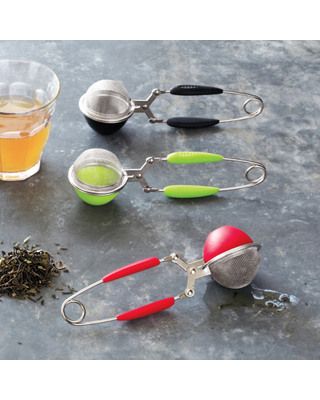
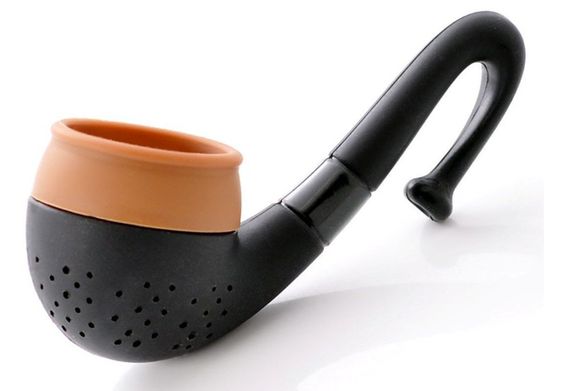
Tea strainers range in type and style. There are tea balls, tea spoons, and tea infusers for every preference. Comically, some are fashioned into shapes like dolphins, deep sea divers, and tea bags just to appeal to the tea user. They range from stainless steel to silicone styles.
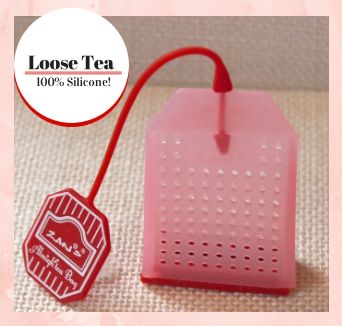
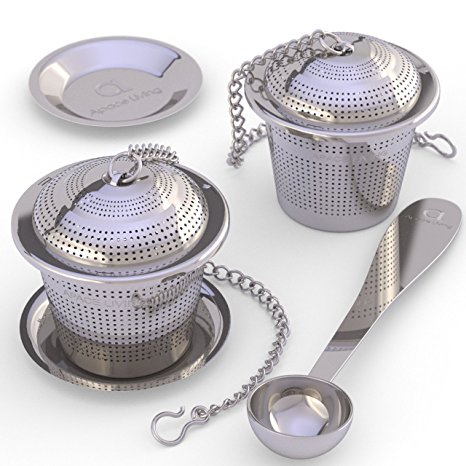

Tea pots can also impacts the tea when brewing. Green tea needs less temperature, therefore, porcelain or glass tea containers are good. Black tea requires a hotter temperature. Hence tea pots made of iron or Chinese yixing ware retain heat over longer periods of time than porcelain or glass.
General Tea Preparation Guidelines
- Bring fresh, cold water to a boil in a kettle.
- Remove from heat when it reaches a gentle boil.
- Poor into a warm tea pot or tea cup (poor hot water into container prior to the tea water to keep temperature more consistent)
- Add proper amount of tea to the pot or cup determined by number of people drinking the tea.
- Poor water over the tea leaves and strain later or use a tea strainer to infuse the tea into the container.
- Steep for required amount of time, usually five minutes, for preferred flavor and strength.
A cup of tea is a symbol of hospitality all over the world. There is nothing like drinking a fresh, brewed, flavorful tea with a friend. Enjoy!
Featured Fall Teas
Be Ready for Fall
Be sure to check out our featured teas for fall. The air is getting cold and soon we will need to keep our insides warm.
Harvest Time
These featured teas are blends of herbs and teas such as Harvest Time which is made up of Wild Cherry Bark, Rosehips, Chamomile, Cinnamon, Lemon Peel, Orange Peel, Lemongrass, Peppermint, Blackberry Leaf, Cloves, Red Clover, Sage, Extracts. Caffeine free as well, this makes a very fine “tea” to sip in the afternoon or evening.
Grandma’s Apple Pie
Another one to try as autumn begins is Grandma’s Apple Pie with an apple cinnamon taste with actual apple bits and almond pieces. It is a black tea with a crisp, fruity flavor.
Yerba Chai
If you like the chai flavor, sip the Yerba Chai, a roasted yerba mate blended with a warm blend of spices. Chai is typically made up of cardamon, allspice, cinnamon, cloves and ginger; all the spices that bring fall to mind.
Anise Spice
Lastly, try the Anise Spice tea sure to satisfy the licorice over. It has anise, cinnamon, black licorice combined with a black tea. Of course, anything with a black tea is caffeinated.
It will soon be crisp, cold autumn weather so be sure to stop in to the Boston Harbor Tea shop to stock up on your favorite drinks to keep you warm!